Therapy: What’s In It for Men
A lot of men don’t show up to therapy because they really want to. They show up when something goes wrong, like a relationship starts to fall apart, or a partner strongly suggests it, or a fear of failure at work or as a parent. If this sounds like you, don’t worry! You are in good company.
The question I hear most is basically this: what’s the point? Many men just want to know there’s a return on the investment before they buy into something new. So let me answer this question directly.
Most of the stuff that trips you up now started a long time ago, but you don’t have to keep tripping.
Your template for the way you handle (or avoid) conflict, the way you cope/deal when things get uncomfortable, the way you push yourself to keep producing even when you’re running on empty - this didn’t come from nowhere.
It came from what you learned growing up:
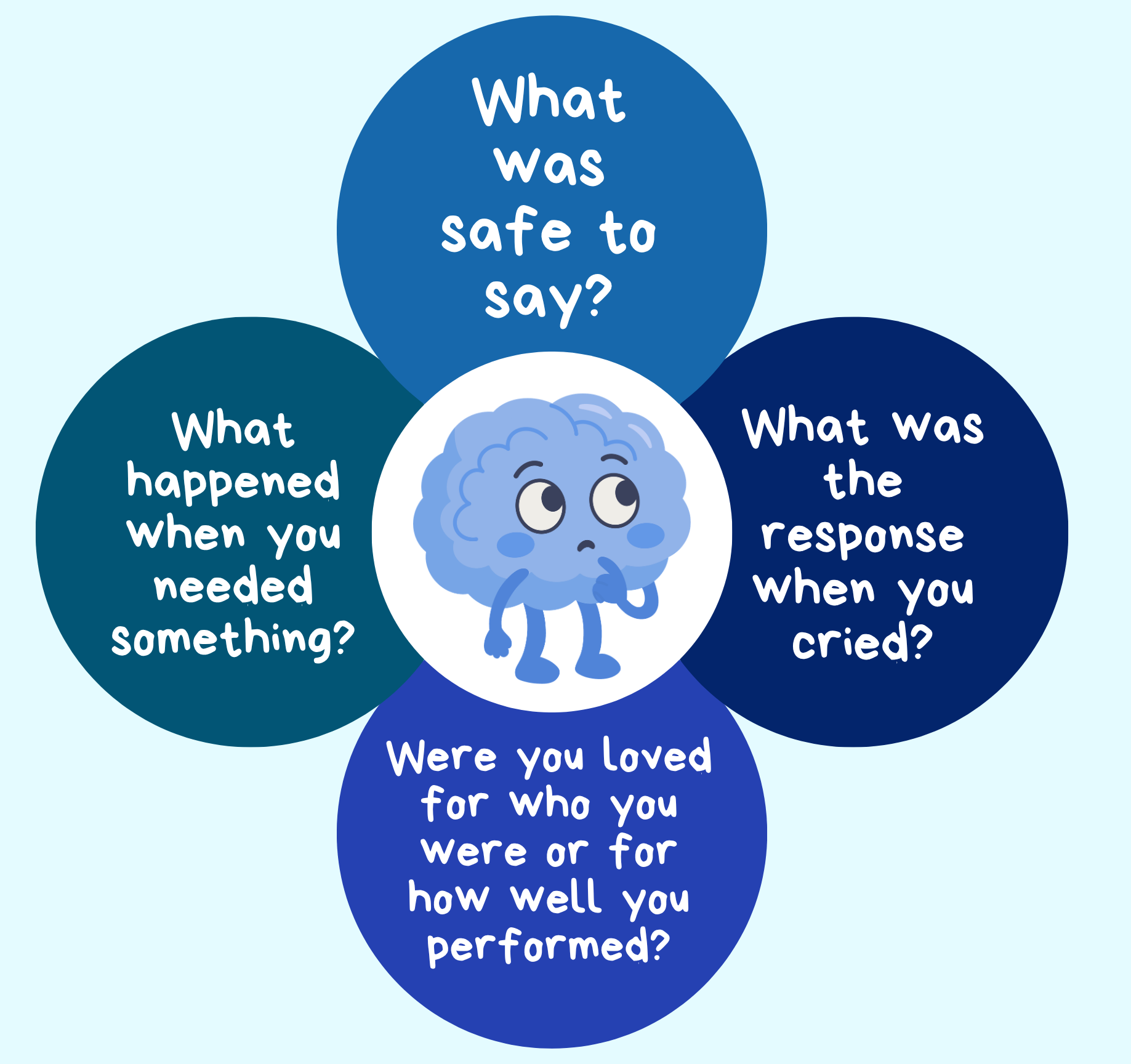
None of that gets consciously decided by children. It just gets absorbed. And then it follows you into your marriage, your parenting, your work relationships, often without you realizing it. Therapy gives you a chance to look at that - not to blame your parents, but to ask: where did I learn this, and does it still make sense - do I still choose it? A lot of guys find that once they can see the pattern, they’re not quite as stuck in it. You get a little distance from it, and things can start to change.
You start to understand what’s actually going on inside you.
Many men were allowed limited emotional expression growing up - happy, angry, stressed. Maybe sad, but only briefly. The problem is that our emotions are more numerous and more specific than that. Sometimes anger is really grief, and maybe you shut down because of fear. You may notice that your patience with your kids mirrors your levels of exhaustion. Therapy helps you understand what you are actually feeling, and then you can respond to the problem. This helps you begin to change things in your life that may not be how you want them to be.
The father factor.
A lot of men who may not come to therapy for themselves individually will consider it once they start noticing how the patterns of their own childhood show up in their kids. They see their son get anxious when there’s conflict. They watch their daughter work overtime for approval. They find themselves repeating the things their own parents did that they swore they would never do.These moments can be uncomfortable. They are also one of the most powerful reasons to do the work. Not from guilt, but from the decision that these cycles stop here. This is one of the most meaningful things a man can do for his family.
You don’t come out a different person.
One thing men worry about is that therapy is going to sand them down somehow. Change who they are. That’s not the goal of therapy, and not what happens. What happens is you get more sure of yourself. You may start to notice less reactivity or defensiveness. You’re able to stay in a hard conversation without shutting down or blowing up. You can say what you need without it feeling like weakness. You know more about who you are, so the people you love feel like they know more of you. You can actually be present with the people you care about. This is not a lesser version of you, it’s a greater one.
So what’s in it for you?
Better relationships, more self-awareness, and a real shot at offering a new kind of role model to the next generation are some of the things men report gaining in therapy. That’s a pretty good return. It’s not always comfortable. It’s not always easy. But for men who are willing to show up for it, it tends to be worth it.