Connection-Based Parenting - Part 2
Building Connection with Kids
In Part 1, we talked about making a mental shift as a parent from:
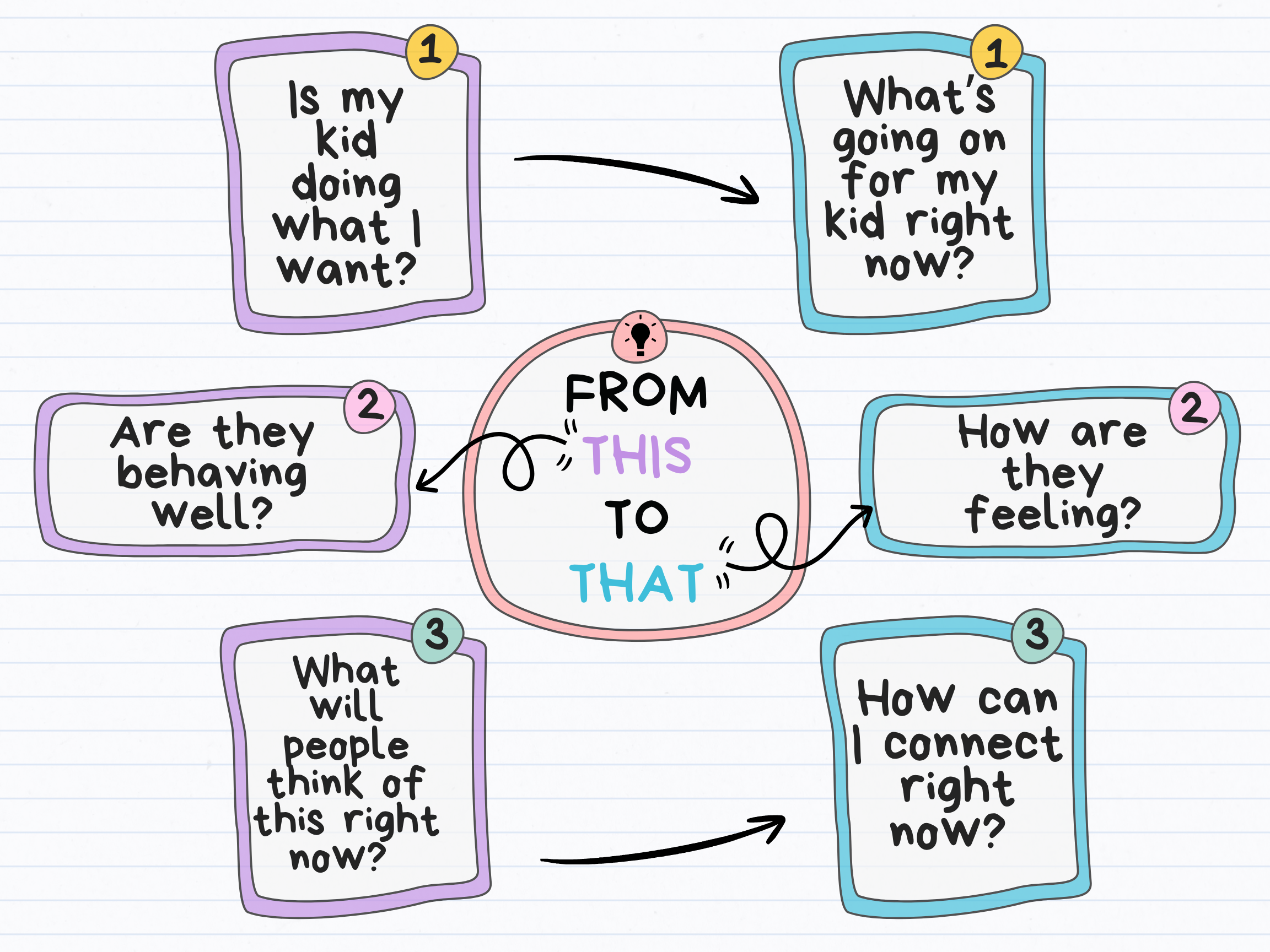
What does it mean to focus on connecting with our kids? Sometimes parents - or others around parents - worry that focusing on connection means having no rules or letting kids do whatever they want.
We are here to assure you - kids need limits, and limits work best when:
they come from our values
are simple and not too numerous
are based in connection
More on limit-setting later, but let’s dive into how connection
Looks feels acts
Do you remember what you wanted most as a kid?
Was it the latest toy or stuffed animal or game?
A day off of school or recess all day?
Did you want to feel understood and heard? Were you craving time or attention from someone who cared? Did you sometimes wish you could have more of a say, or that you could feel less “in trouble” when something went wrong?
Research and clinical data tell us that kids learn best when they feel connected.Most adults will tell you that obedience or compliance is not the most valuable skill in their adult lives, relationships, communities, or workplaces.
There are lots of reasons we focus on compliance, including a lack of support for parents, some cultural values that tend to prioritize adults’ perspectives and experiences over children’s, and the fast pace of modern life that has us feeling like slowing down to a child’s pace is impossible.
Connecting with kids when things are very intense is difficult, but it is possible - it takes practice, and we can help. One of the easiest ways to make intense times less frequent and less intense is to connect often and deeply with kids - and this can be really fun and simple!
Here are a few different categories of connection that help kids feel valued and cared for:
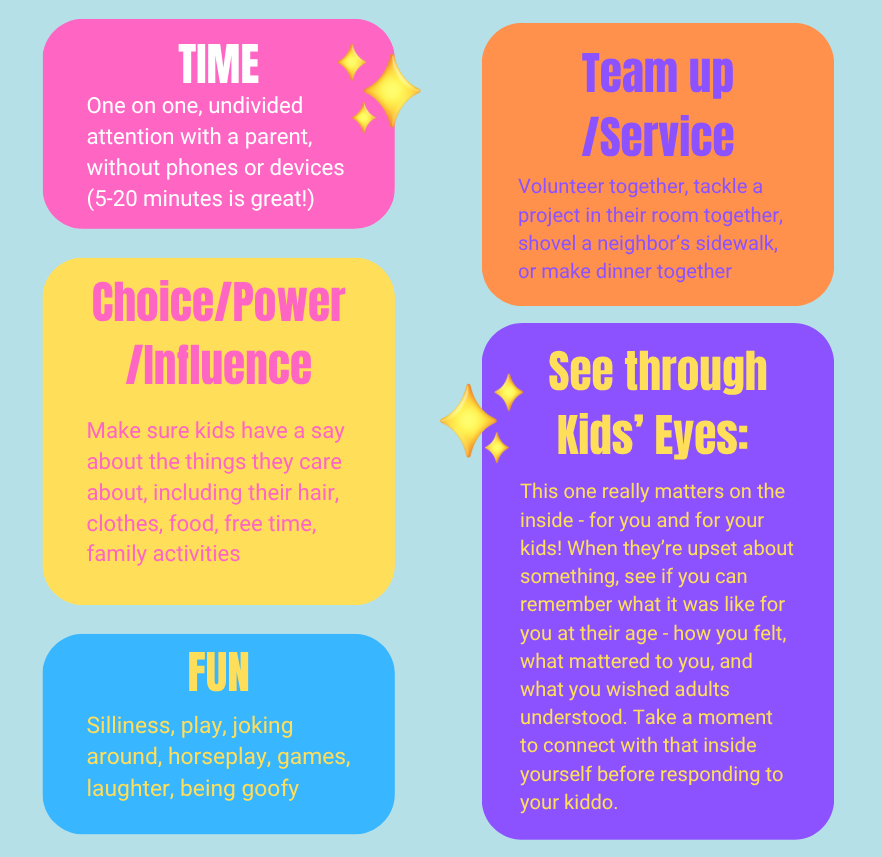
Let’s zoom in on just one of these areas and consider how we can use choice and power to connect with kids. If you think of your child’s or teenager’s day, how many decisions are made for them? How many do they get to make for themselves? Children’s days are often highly programmed, and there is evidence that a lack of independence is linked to anxiety, and that increasing independence is linked to confidence. (Rausch & Haight, 2024)
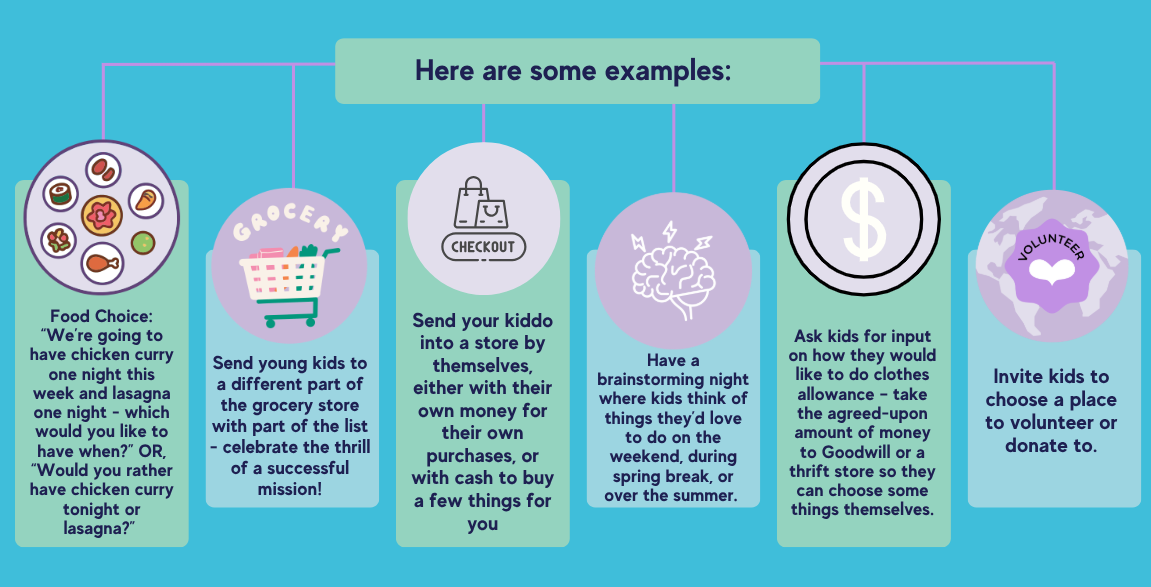
It’s easy to forget, as an adult with many responsibilities, that getting a say and being in charge of stuff is part of how we know we matter to others. Finding decisions that kids can be in charge of can be like a game. As you go through your day and your responsibilities, ask yourself, “What part of this could my child be in charge of?” Here are some examples:
Trust yourself to connect with your kids in ways that bring you closer and prioritize your relationship - you will still be reaping the rewards of your efforts decades from now!
Cascade is offering support to parents now through Connection-Based Parenting therapy groups, with morning and afternoon groups starting soon!
You’ll learn:
What your child’s or teen’s actions can teach us about their emotions
How to bring in some calm when your child cries, yells, hits, withdraws, or melts down
How to build cooperation that flows naturally from connection
How to lean on other adults (including the co-facilitators of the group!) in your life in order to support your kids to thrive
Lots of other fun stuff that’s more effective than bribing, threatening, and yelling!!
Click here to find out more or click the button below to register for our next group.