Connection-Based Parenting - Part 1
“It’s not working!!!”
Parents are people! They need support, too.
Kids are struggling in the U.S. right now - emotionally, educationally, and developmentally. It’s tempting to focus on kids as we seek to improve the problem - kids are more vulnerable, younger and smaller, and it is distressing to see kids in pain or floundering. We want to make things better.
But parents are struggling, too.
About half of American parents say that parenting is “fairly hard” or “very hard,” according to an Institute for Family Studies survey.
The omnipresence of technology, the pace of modern life, and the move away from more communal living, where close-knit communities share family responsibilities, are some of the reasons that American parents are struggling. Conversations and judgment about parenting, especially on social media, are also challenging for many parents.
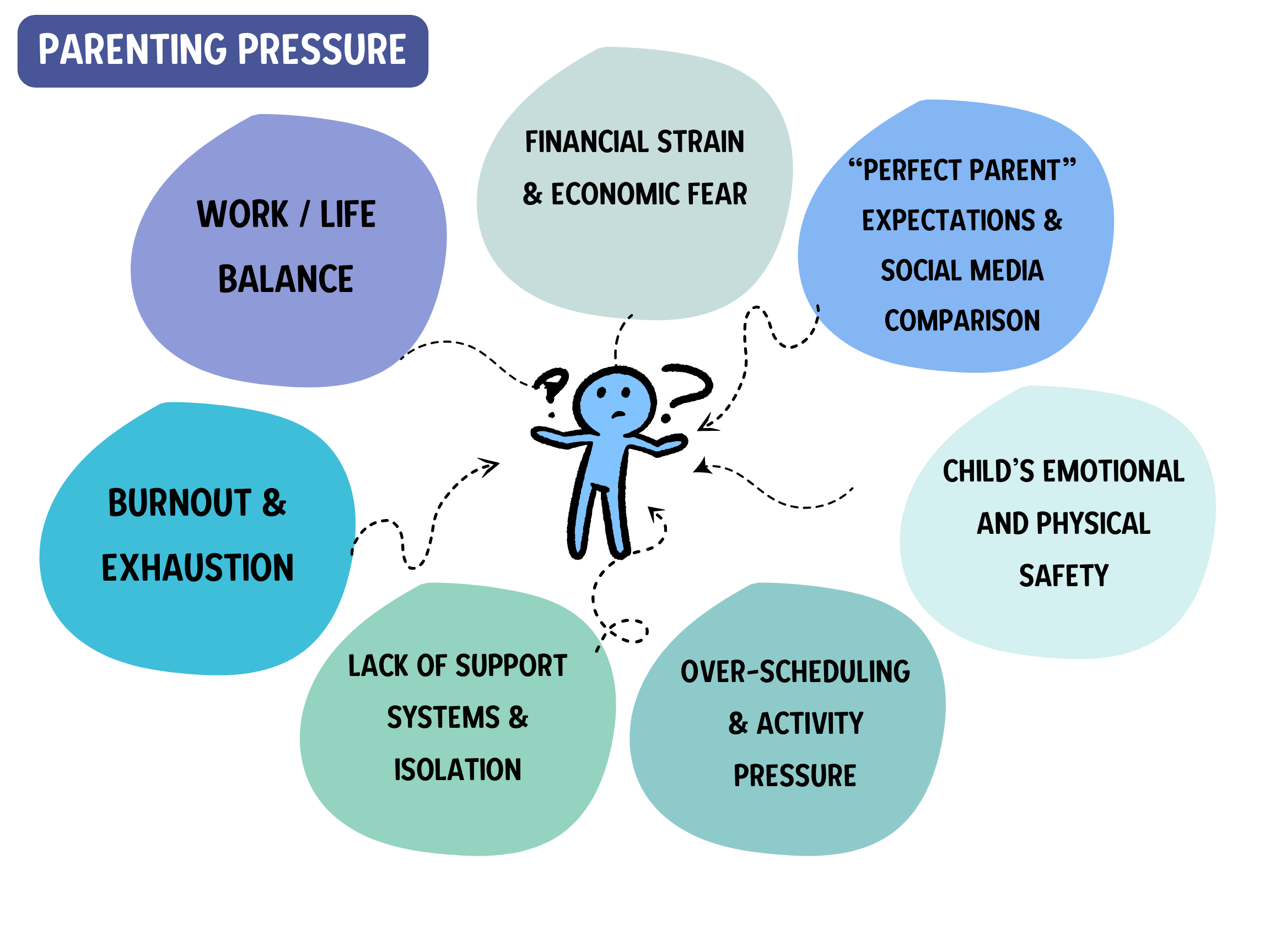
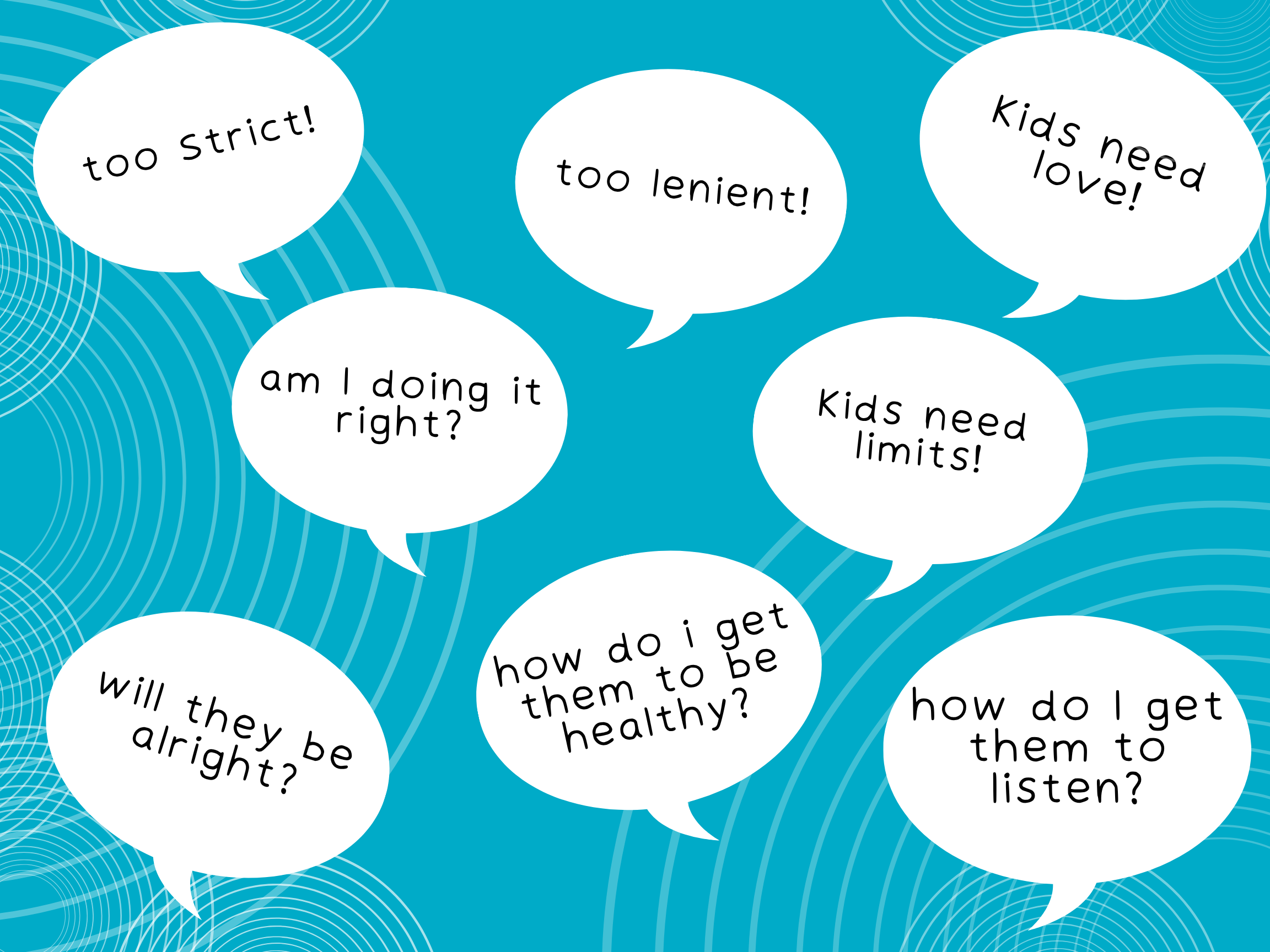
Parents also feel pressure to make sure kids “behave,” which often means following rules and meeting parents’ expectations. I often hear parents say, “I tried XYZ parenting strategy, and IT’S NOT WORKING!”
When parents say, “It’s not working!” they might mean all kinds of things, including:
She’s still protesting when I set a limit!
He’s still lying when I ask him if he did his chore!
They’re still yelling when screen time is over!
He’s still struggling with homework!
She’s still withdrawing and seems depressed!
They still seem anxious!
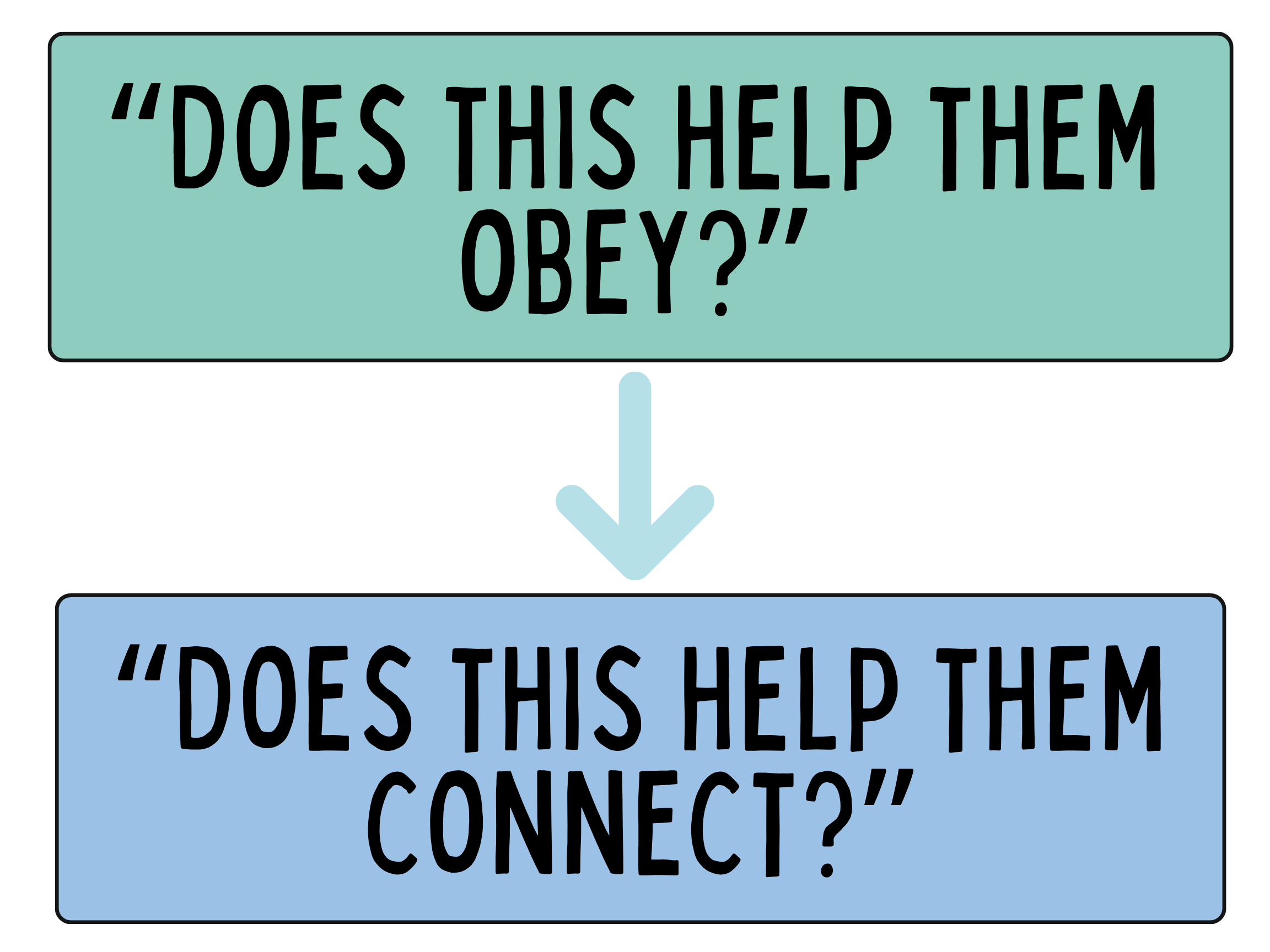
Shifting from a focus on obedience to a focus on connection and supporting development offers parents a north star that increases confidence and provides a foundation for relationships through adulthood. It also acknowledges and works with - not against - a truth we know about kids’ and adults’ brains: we cannot think or reason well, or take logical steps when we are upset. Learning to soothe ourselves is a lifelong process, and one that kids need time and adult support to develop.
And adults need support in order to support kids!
If you’re at home with a crying or yelling kid, feeling a little overwhelmed and thinking, “IT’S NOT WORKING!” here are some ways to try prioritizing connection:
Send a quick text to a parent friend for support before helping a child through a tough moment
Slow down to notice their own sadness before attending to a kiddo’s sadness
Decide to be silly and lighthearted for a moment; take a 10-year view of the situation.
When we prioritize connection, what does “IT’S WORKING!!” look like?
Kids know adults are around to help them grow up and to support them when times are tough.
Children and adolescents develop the confidence to overcome difficulties they face.
Kids and teens become adults who know they are valued and who treat themselves and others with respect in relationships, in workplace settings, and in the community.
Cascade is offering support to parents now through Connection-Based Parenting therapy groups - the next groups start in April!
You’ll learn:
What your child’s or teen’s actions can teach us about their emotions
How to bring in some calm when your child cries, yells, hits, withdraws, or melts down
How to build cooperation that flows naturally from connection
How to lean on other adults (including the co-facilitators of the group!) in your life in order to support your kids to thrive
Lots of other fun stuff that’s more effective than bribing, threatening, and yelling!!
Click here to find out more or click the button below to register for our next group.
Sources:
The Youth Mental Health Crisis in the United States: Epidemiology, Contributors, and Potential Solutions written by Steven H. Woolf, MD, MPH for American Academy of Pediatrics, Pediatrics Publication: Volume 156, Issue 5, November 2025
Hard Parenting, Better Relationships: New Evidence written by Lyman Stone for Institute for Family Studies, February 2026
Listen: A Creative Guide to Listening Practice. Schore, Tosha, and Patty Wipfler. Red Wheel/Weiser, 2018